
Spinal Decompression Table
Spinal Decompression Table
Spinal decompression therapy, also known as non-surgical spinal decompression, is a practice that utilises spinal decompression tables to relieve pain by creating a scenario in which bulging or herniated disc tissue can move back into place and heal, alleviating the pain this condition causes.
Spinal decompression therapy aims to help patients who suffer from debilitating pain due to bulging, degenerating, or herniated discs. It can also be used for the pain management and treatment of many causes of sciatica, injured or diseased spinal nerve roots, and worn out spinal joints (OA).
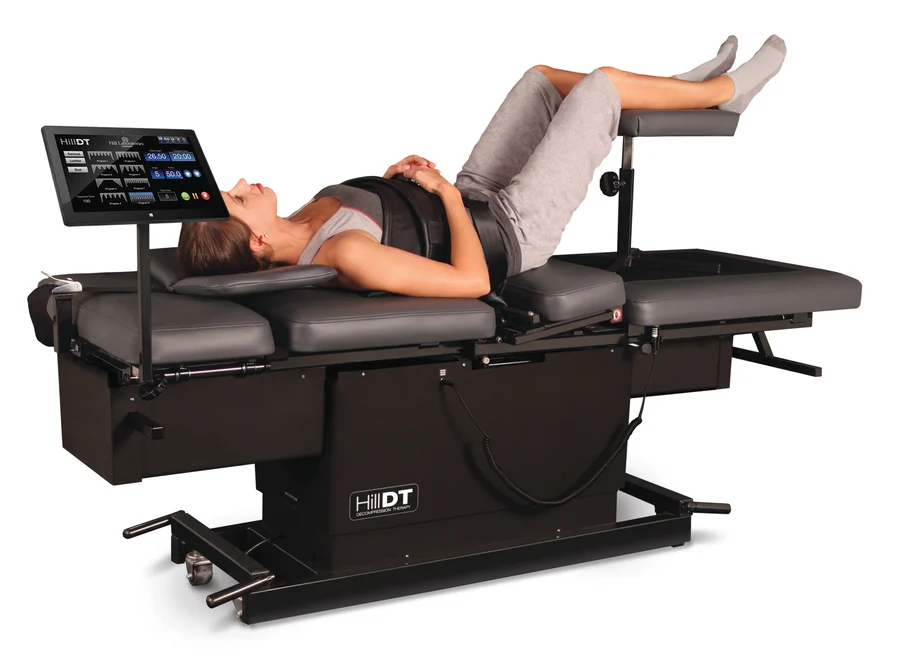
A spinal decompression table is the main tool used in non-surgical spinal decompression therapy.
The Benefits of Spinal Decompression for Bulging and Herniated Discs
Spinal decompression therapy has become an increasingly popular non-invasive treatment for individuals suffering from bulging or herniated discs. These types of spinal injuries can cause intense pain, discomfort, and limited mobility, severely impacting a person’s quality of life. As a result, many individuals seek out alternative treatments that offer relief without the need for invasive procedures or surgery. One such option is spinal decompression, which can help to alleviate symptoms and promote healing of the affected area.
What is Spinal Decompression?
Spinal decompression is a therapeutic technique that uses specialised equipment, such as a spinal decompression table, to gently stretch and elongate the spine. The purpose of this treatment is to create negative pressure within the spinal discs, which can relieve pressure on nerves, discs, and other structures in the spine. By increasing the space between vertebrae, spinal decompression can improve circulation, reduce inflammation, and promote the healing of damaged discs.
How Does Spinal Decompression Work for Bulging or Herniated Discs?
The spine is made up of vertebrae, intervertebral discs, and nerve roots. The intervertebral discs act as cushions between the vertebrae, allowing for flexibility and movement. A herniated or bulging disc occurs when the soft inner material of the disc pushes out of its outer layer, potentially irritating or compressing nearby nerves. This can result in pain, numbness, tingling, or weakness, typically in the back, neck, or limbs.
Spinal decompression therapy works by gently stretching the spine in a controlled manner, which creates negative pressure within the affected disc. This negative pressure can help to:
- Relieve Pressure on the Disc: By creating space between the vertebrae, spinal decompression can reduce the pressure on the bulging or herniated disc. This may alleviate pain caused by the disc’s compression on surrounding nerves.
- Promote Disc Rehydration and Repair: In cases of a herniated or bulging disc, the damaged disc can lose its natural hydration and become flattened. Spinal decompression can help to draw fluids back into the disc, promoting its rehydration and assisting with healing.
- Reduce Inflammation and Muscle Spasms: The process of spinal decompression can also help to reduce inflammation around the injured area, which in turn can lessen muscle spasms and tension that often accompany spinal injuries.
- Increase Circulation: The gentle stretching of the spine helps to improve blood flow to the affected area, ensuring that oxygen and nutrients are delivered to the injured discs and surrounding tissues. This improved circulation aids in the healing process.
Advantages of Using a Spinal Decompression Table

Non-Invasive Treatment
Spinal decompression provides a non-surgical alternative for patients seeking relief from disc-related pain. Unlike surgery, spinal decompression therapy does not carry the risks and complications associated with invasive procedures.
Customized Treatment Plans
Decompression tables are often equipped with advanced features that allow for precise adjustments tailored to each patient’s needs. This personalized approach ensures that the treatment is optimized for the individual, improving its effectiveness.
Comfort and Relaxation
Many patients find spinal decompression sessions to be comfortable and relaxing. The treatment is typically performed while the patient lies on the table, and the gentle stretching motions can be soothing, especially compared to more aggressive treatments.
No Downtime
Unlike surgery, spinal decompression does not require long recovery periods. Most patients can resume normal activities shortly after a session, making it a convenient option for those with busy schedules.
Pain Relief and Long-Term Benefits
While results can vary from person to person, many patients experience significant pain relief and improved function after completing a series of spinal decompression sessions. For chronic pain sufferers, this can be life-changing.
Is Spinal Decompression Right for You?
While spinal decompression can be highly beneficial for many individuals with bulging or herniated discs, it’s important to note that this therapy may not be suitable for everyone. Some people with certain medical conditions, such as severe osteoporosis, tumors, or fractures, may not be candidates for spinal decompression. Our chiropractors will conduct an evaluation to determine whether spinal decompression is an appropriate treatment option for your specific condition.
Conclusion
Spinal decompression therapy, especially when performed using a spinal decompression table, offers a safe, non-invasive, and effective treatment for bulging and herniated discs. By relieving pressure on the spine, promoting healing, and reducing pain, this therapy can help many individuals regain mobility and improve their overall quality of life. If you are struggling with a herniated or bulging disc, consulting a healthcare professional about the possibility of spinal decompression therapy could be the first step toward finding lasting relief.